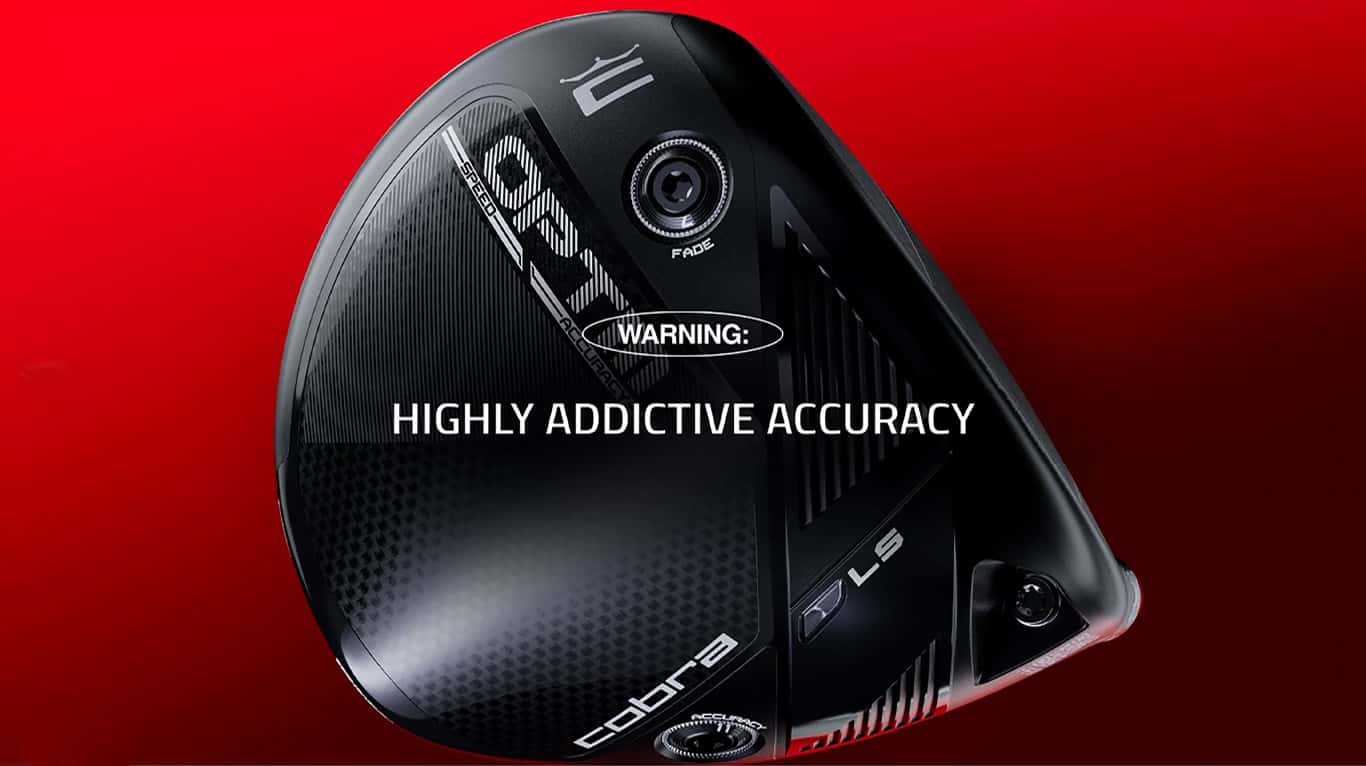
Cobra Golf is already designing clubs for 2030.
In a recent episode of the AmateurGolf.com Podcast, McKenzie Steenson sat down with Doug Roberts, Cobra Golf’s head of research and development, to discuss the technology shaping the brand’s equipment.
Roberts described Cobra’s guiding philosophy as “tip of the spear innovation.” The R&D team works roughly four years ahead, but every project begins with the same requirement: it must deliver a meaningful performance benefit before appearance and feel complete the package.
The OPTM driver lineup grew from a survey of hundreds of golfers. Distance ranked first among purchasing priorities, followed closely by forgiveness and accuracy. Cobra carried forward technologies focused on face speed, aerodynamics, launch and spin, then added a new emphasis on products of inertia, or POI. Use the Cobra Golf Fitting Tool to find your recommended OPTM Driver.
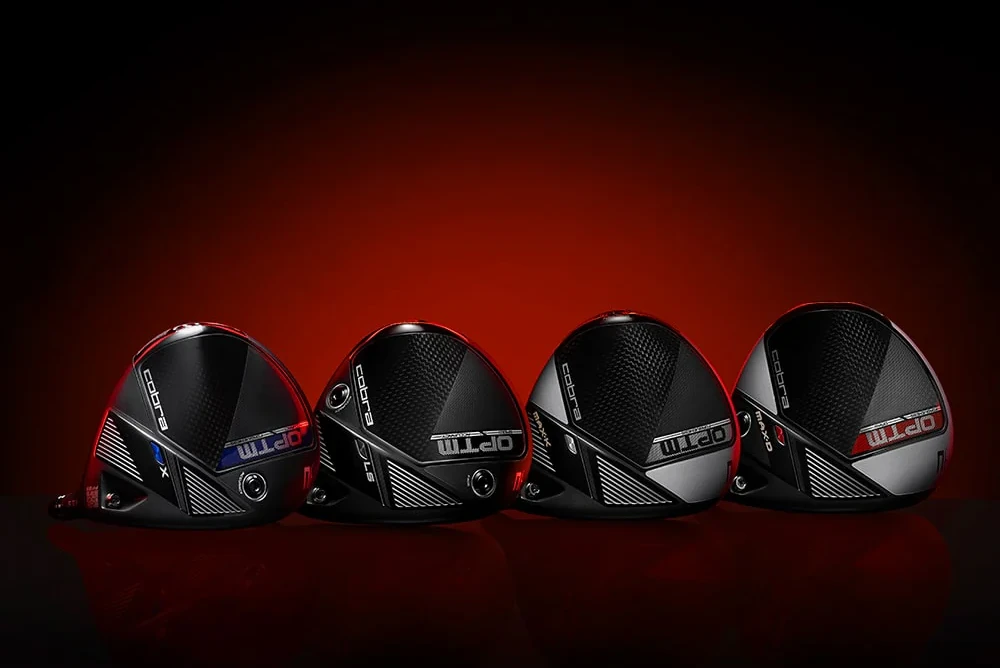
While moment of inertia measures resistance to twisting around individual axes, Roberts explained that POI considers how those axes interact during an off-center strike. Cobra’s goal was to maintain high MOI while bringing POI closer to zero, creating a more balanced head. Internal testing produced a 10 to 20 percent reduction in the overall area of shot patterns.
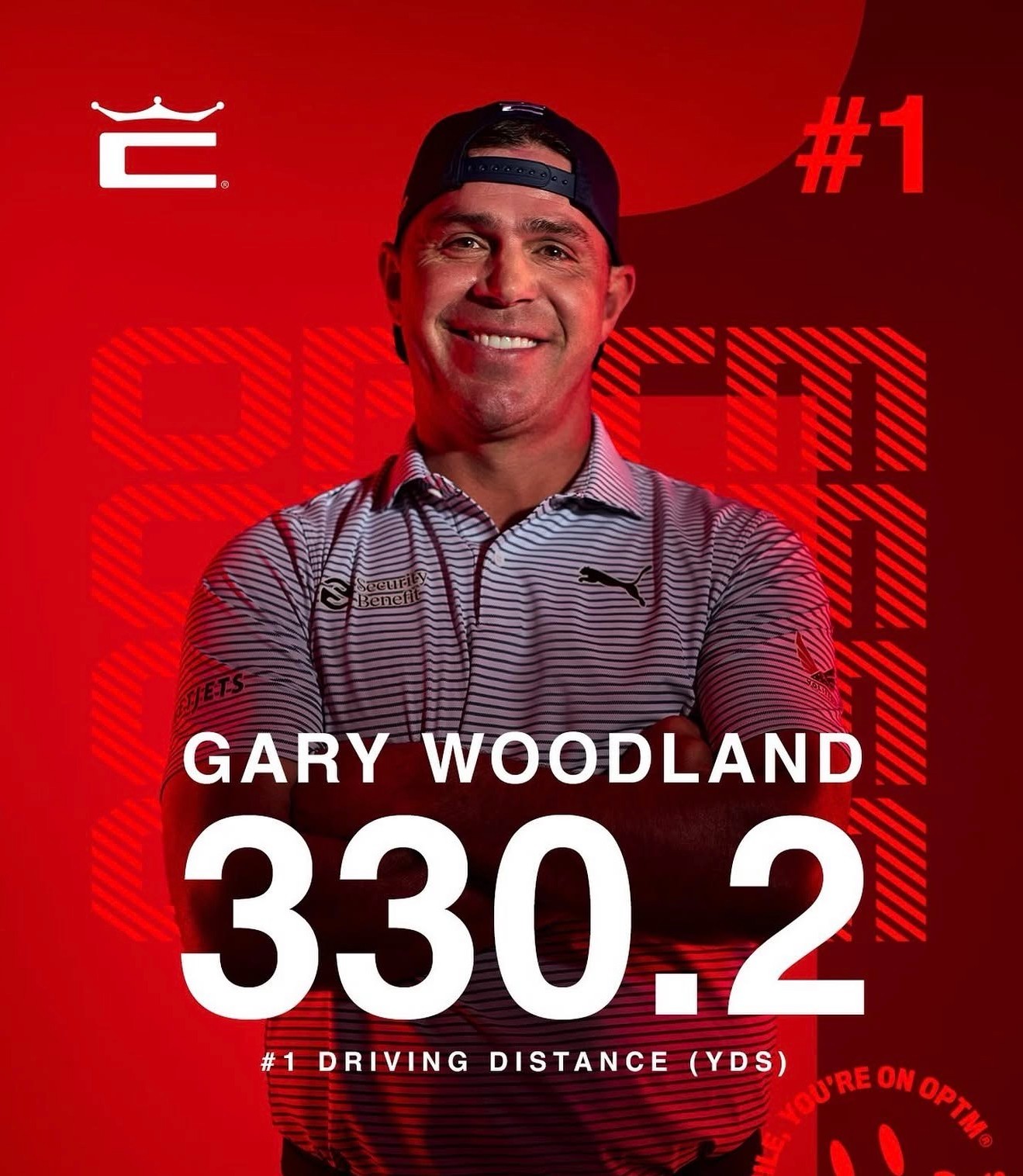
That performance has also changed how Cobra’s tour staff selects drivers. The low-spin model is no longer the automatic choice: Roberts pointed to Rickie Fowler and Max Homa in the X model and Gary Woodland in the more forgiving K model.
FutureFit33 adds another layer of flexibility with 33 settings, a true neutral position and independent loft and lie adjustment. The system was designed to be intuitive, allowing golfers to identify their typical miss and move the setting in the opposite direction.
Roberts also discussed the rise of higher-lofted fairway woods among elite players and Cobra’s expanding use of 3D printing. Engineered lattice structures allow the team to redistribute weight in ways traditional manufacturing does not, opening new possibilities for irons and putters.
As a smaller “challenger brand,” Cobra sees its willingness to take engineering risks as an advantage. Roberts said the creativity and collaboration behind that innovation remain his favorite parts of the job.
Listen to the full AmateurGolf.com Podcast episode for more from Roberts on Cobra’s equipment-development process.