In competitive golf, the difference between winning and finishing a few shots back often comes down to one thing: putting. The best players separate themselves not only with power and precision from tee to green, but with the ability to read breaks, control speed, and hole putts under pressure.
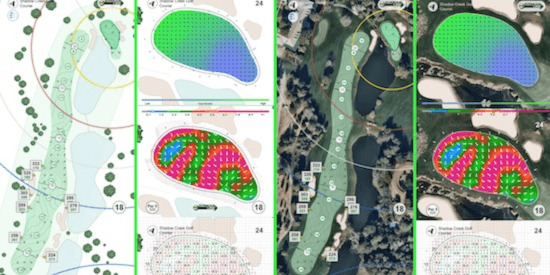
That’s where StrackaLine has become one of the most influential names in modern golf—combining decades of yardage book tradition with state-of-the-art surveying to help golfers understand the most important surface in the game: the putting green.
Founded by Golfers, Built with Technology
StrackaLine was founded in 2007 by father and son Jim and Chase Stracka. Both are avid golfers and set off on a project to combine their expertise in technology with their passion for the game.
What started as a golf-driven innovation effort quickly grew into a new standard for course mapping, especially as competitive golfers demanded more accurate information for tournament preparation.
The “Gorjus George” Connection
In 2008, StrackaLine teamed up with former tour caddie of Arnold Palmer, George “Gorjus George” Lucas. From 1976 to 2008, Lucas created the famous bright orange, hand-drawn yardage books used on professional and amateur tours.
Lucas produced his first full-fledged book for the 1976 Memphis Classic. At the time, he was not yet a full-time surveyor and was still nurturing his own tour-pro dreams. He looped for professionals including Tom Shaw, Bobby Walzel, and Arnold Palmer, while also building a reputation as a meticulous mapper of golf holes.
His guides became valued because they presented each hole with precise distance measurements and essential notes in the context of what a competitive golfer needs to know: where to place tee shots, what to avoid, how a hole truly plays, and what matters when scores count.
Laser-Scanning Greens and Changing How Golfers Prepare
Starting in 2013, StrackaLine’s team of expert surveyors began canvassing golf courses to laser scan each putting green. The goal was simple: deliver highly accurate contour information that helps golfers understand break, slope, and speed on the greens.
Putting is often the most important part of scoring, yet it is frequently underrated and under-practiced except by players at the highest level. While distance off the tee can be impressive, it rarely decides tournaments on its own. The golfers who separate themselves are typically the ones who convert chances and avoid mistakes on the greens.
StrackaLine Offer for AmateurGolf.com Readers
Tour-level green reading starts here. Get laser-scanned StrackaLine green books and yardage guides to dial in break, slope, and speed—then commit to every putt with confidence.
Exclusive deal: AmateurGolf.com readers save 20% when you shop through our link.
Using StrackaLine materials, golfers can better understand which way a putt will break and why. That clarity can translate into better reads, better pace, and more confidence when it matters most.
Why It Matters in Competitive Amateur Golf
StrackaLine’s books and green guides have become a trusted resource for serious players and programs, including competitive amateurs and college golfers. Whether preparing for a championship venue or learning how to score better on familiar greens, detailed information can shorten the learning curve and improve decision-making.
From its early beginnings in 2007 to its partnership with “Gorjus George” Lucas and its laser-scanning expansion beginning in 2013, StrackaLine has helped modernize how golfers study and play greens.
In a sport where championships can turn on a single putt, understanding the green has never been more valuable—and StrackaLine continues to build tools designed to help golfers putt smarter.