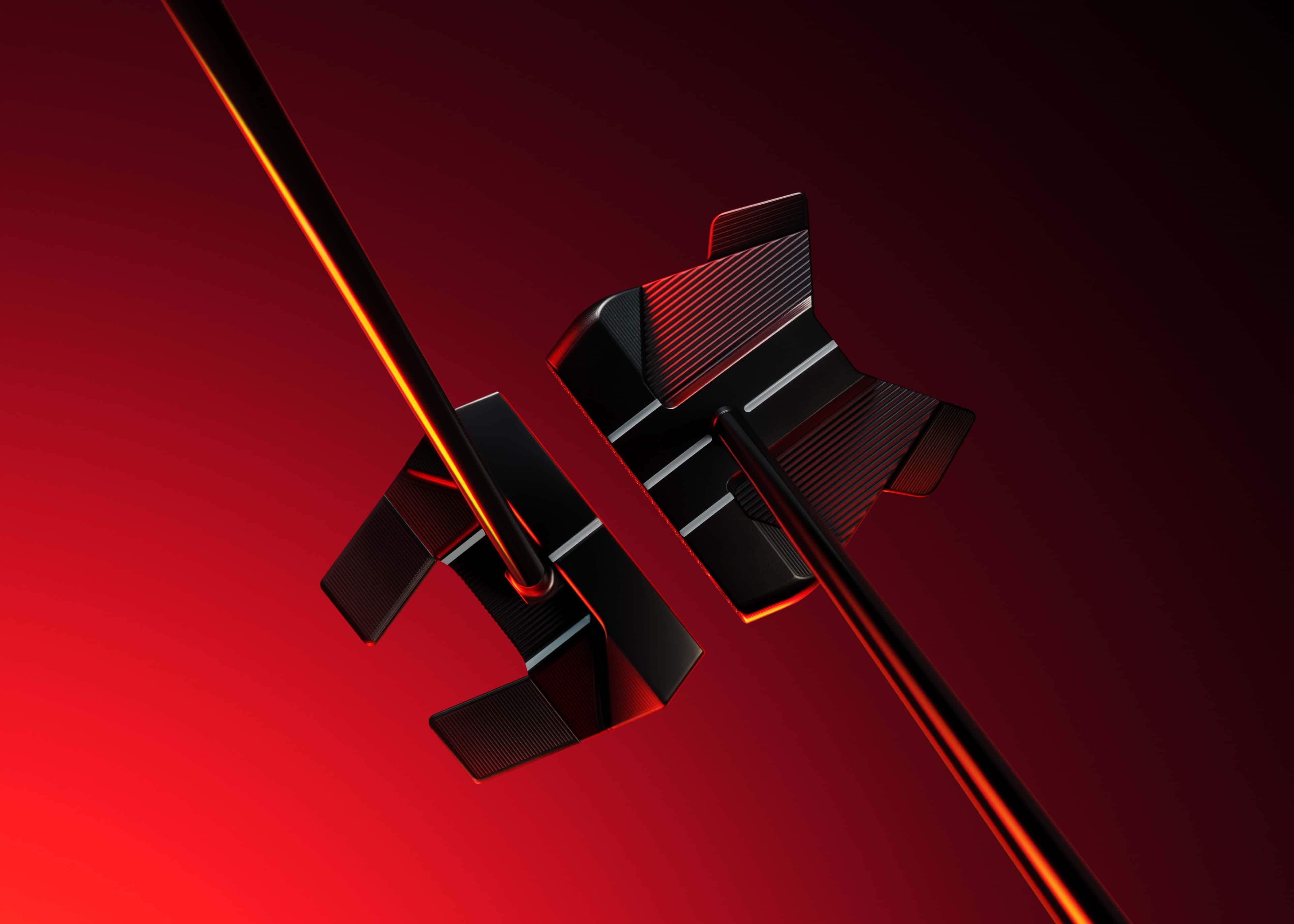
A putter can look great in the bag and still leave you searching for the face on a four-footer. Scotty Cameron’s new Phantom OC Spec III mallets address both sides of that equation: a striking all-black finish, paired with a design intended to make face rotation easier to manage.
Announced September 22, the limited-edition release brings the Spec III treatment to the Phantom 5 OC and Phantom 11R OC. Both get black PVD heads, black steel shafts, custom black mid-size Matador grips and three contrasting sightlines. They arrive in golf shops in limited quantities on October 1, 2026, with an advertised price of $800.
The story beneath the finish
The name borrows from automotive Spec III builds, where the components are tuned to work together. Here, the important piece is the OC configuration already at the heart of these Phantom designs.
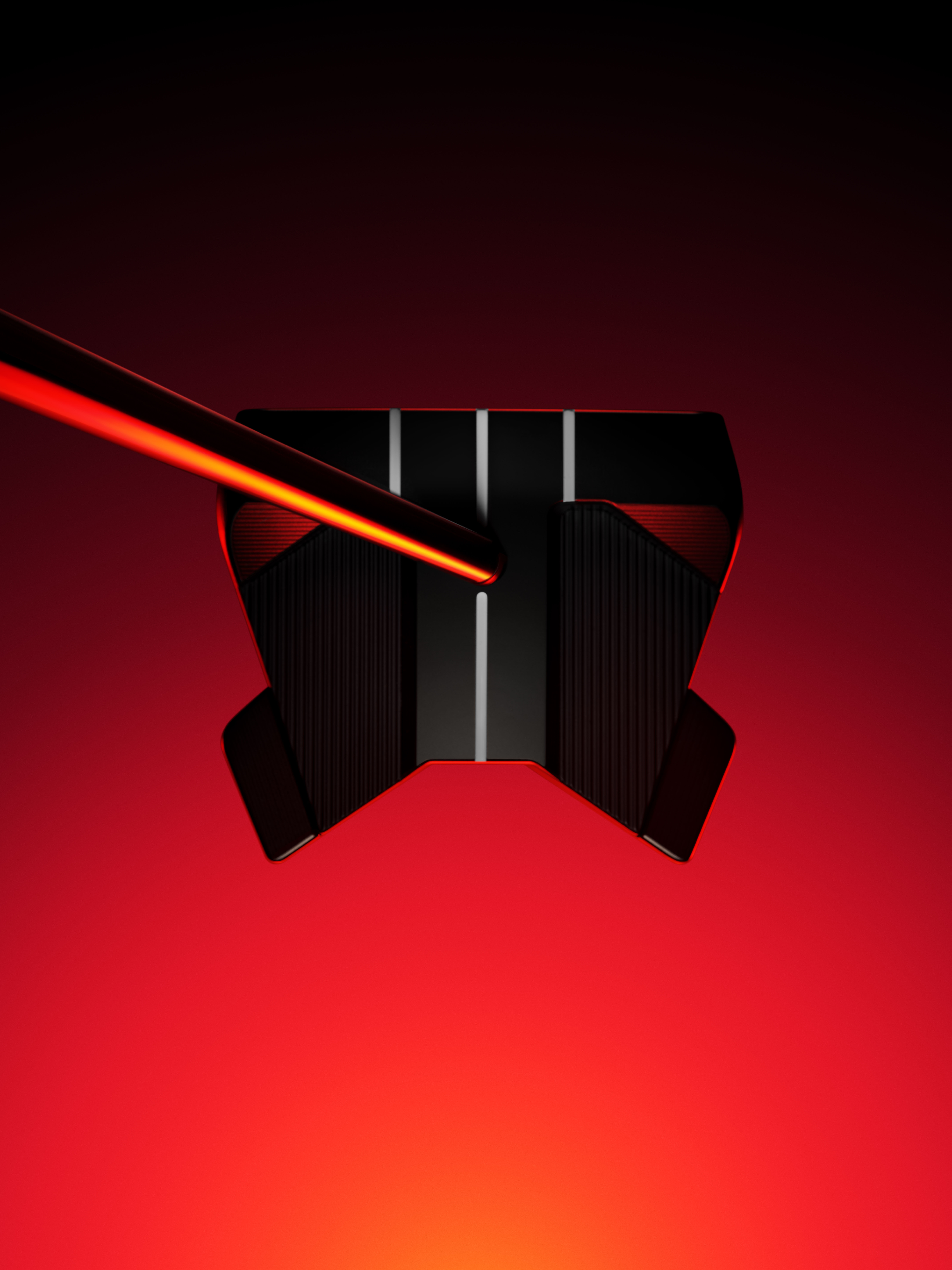
OC stands for Onset Center. The shaft sits behind the head’s leading edge and lines up with its center of gravity. Scotty Cameron says that positioning reduces torque and encourages the face to stay square to the stroke’s path.
Notice the wording: low torque. The company deliberately avoids calling these zero-torque putters, noting that the act of putting introduces some torque regardless of the design. Its goal is to reduce the tendency of the head to twist while preserving a golfer’s sense of where the clubhead is during the stroke.
For the amateur golfer, that makes the OC concept particularly relevant if you prefer less face rotation and the sensation of a straight-back-and-through stroke. It remains a fitting choice, rather than a promise that one head design will suit everyone.
Phantom 5: The compact option
The Phantom 5 OC Spec III keeps the compact wingback profile that has made the 5 a familiar shape in Cameron’s mallet lineup. Its open rear section gives it a distinctly different look from the broader 11R.
There is a meaningful distinction at impact, too. The 5 uses a full-face Studio Carbon Steel insert with chain-link milling, designed to soften sound and feel. Golfers who like a smaller visual footprint but want to explore the OC setup will likely start their comparison here.
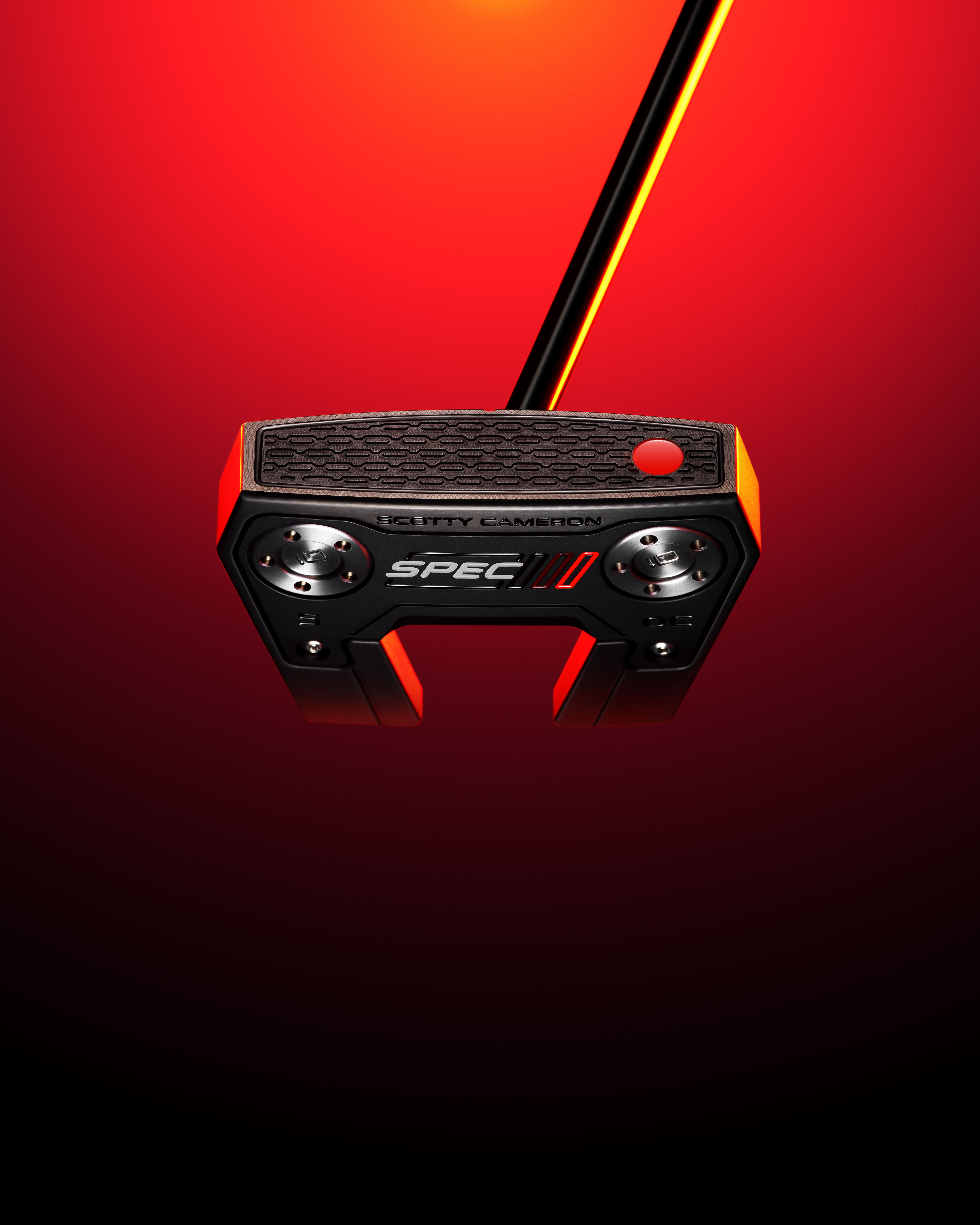
Phantom 11R: A bigger emphasis on stability
The Phantom 11R OC Spec III takes the rounded, high-MOI route. That higher moment of inertia is intended to help the head resist twisting on off-center contact. Its broader shape also gives the three white sightlines a prominent backdrop against the black finish.
The 11R features full-face chain-link milling, which Cameron describes as providing a soft, responsive feel.
There is also a straightforward deciding factor for left-handers: the 11R is available in both right- and left-handed versions; the 5 is right-handed only.
Keeping the hands connected
Reducing torque is only part of the brief. Cameron also wants golfers to retain feedback, especially when judging pace.
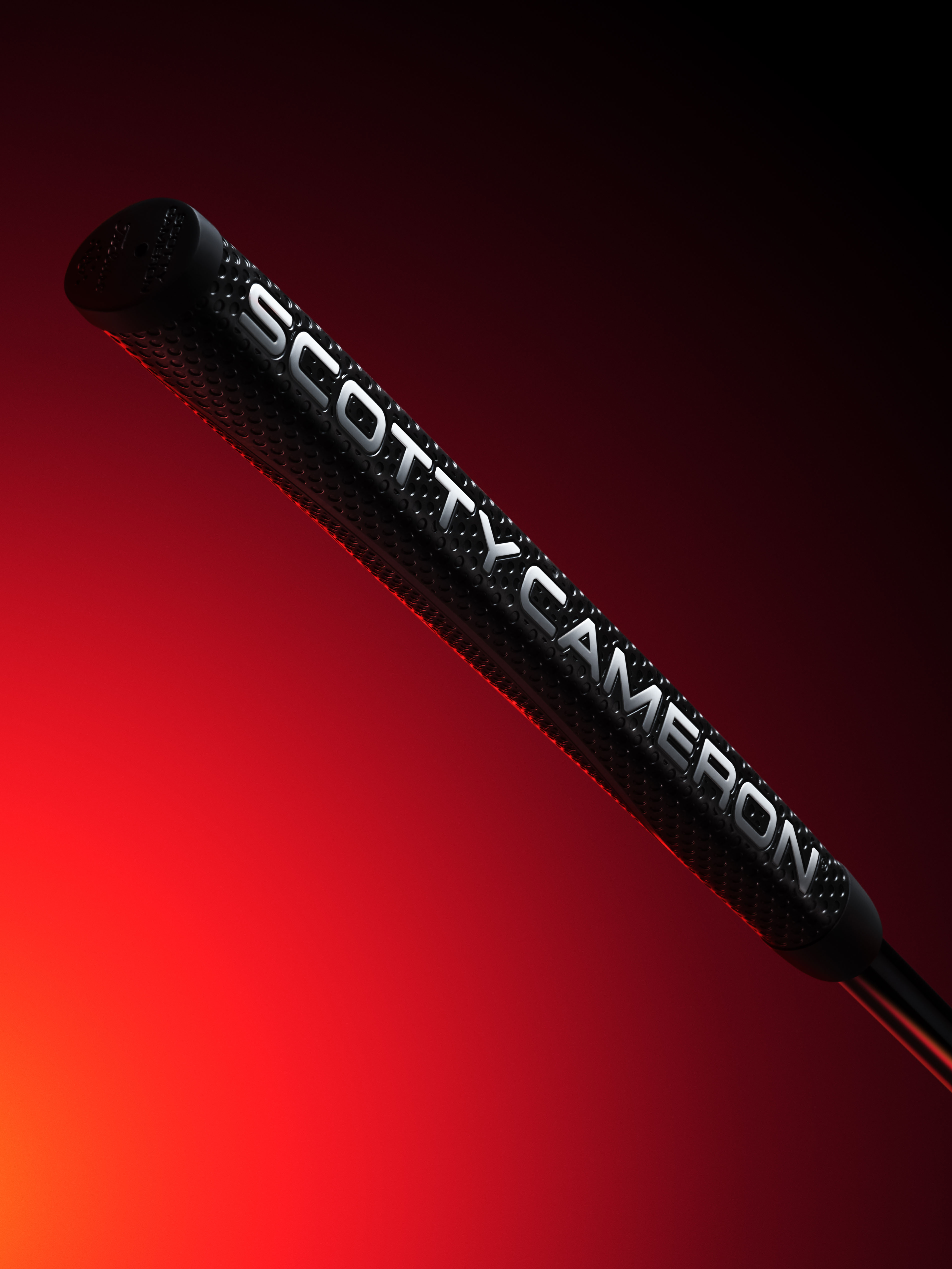
The OC construction pairs 15-gram heavier head weights with a slightly stiffer shaft, a combination the company says helps preserve clubhead feel. A conventional tapered mid-size Matador grip and just one degree of shaft lean are intended to make the transition from a traditional setup feel less unfamiliar.
That is worth paying attention to during a fitting. The address view may win you over immediately, but the more revealing comparison is how comfortably you can judge speed on longer putts and return the face on shorter ones.
The details at a glance
- Models: Phantom 5 OC Spec III and Phantom 11R OC Spec III
- Finish: Black PVD, with a black steel shaft
- Alignment: Three high-contrast sightlines
- Grip: Custom black tapered mid-size Matador
- Lengths: 33, 34 and 35 inches
- Loft / lie: 3.5 degrees / 70 degrees
- Shaft lean: 1 degree
- Handedness: Right-handed in both models; left-handed in the 11R
- Price: $800 minimum advertised price
- Availability: Presale on Titleist.com; limited quantities in golf shops October 1, 2026, according to the September 22 announcement
Our take
The black finish will get the attention, but the useful question is whether the OC balance matches the way you want to move the putter. The 5 offers the compact wingback look and a carbon-steel insert; the 11R puts more emphasis on stability and adds a left-handed option.
At $800, the Spec III models sit firmly in premium territory. For golfers drawn to the limited-edition treatment, the best reason to put one in the bag is still the simplest: the shape, alignment and feel work together for your stroke.
Product details and photography supplied by Scotty Cameron/Acushnet. This is a first look based on the launch announcement, not a hands-on test.