
After helping carry forward his father’s work at Harrison Lake Country Club, Bob Haddad Jr. turned his attention to another Columbus golf institution. When Haddad and a local ownership group purchased Otter Creek Golf Course from the City of Columbus in 2022, the vision was ambitious but clear: preserve championship-level public golf while creating a facility that could serve the entire community, regardless of age or ability.
At the center of that vision is the “New Otter,” an 18-hole championship course being designed with the potential to host future USGA championships. Two shorter courses will broaden Otter Creek’s appeal. The Pup is a 12-hole putting-and-chipping course, while The Romp is a 13-hole traditional par-3 course. Together, they are intended to welcome junior golfers, families, beginners and seniors, as well as experienced players who simply want the right number of holes for the time they have.

That community-first philosophy is a continuation of Otter Creek’s origins.
Otter Creek Golf Course was created during Columbus, Indiana’s remarkable period of mid-century civic development. Cummins and its longtime leader, J. Irwin Miller, funded the original course and donated it to the City of Columbus. The original 18 holes, designed by legendary architect Robert Trent Jones Sr., opened in 1964. Its modernist clubhouse was designed by noted architect Harry Weese, connecting Otter Creek to Columbus’ internationally recognized architectural legacy.
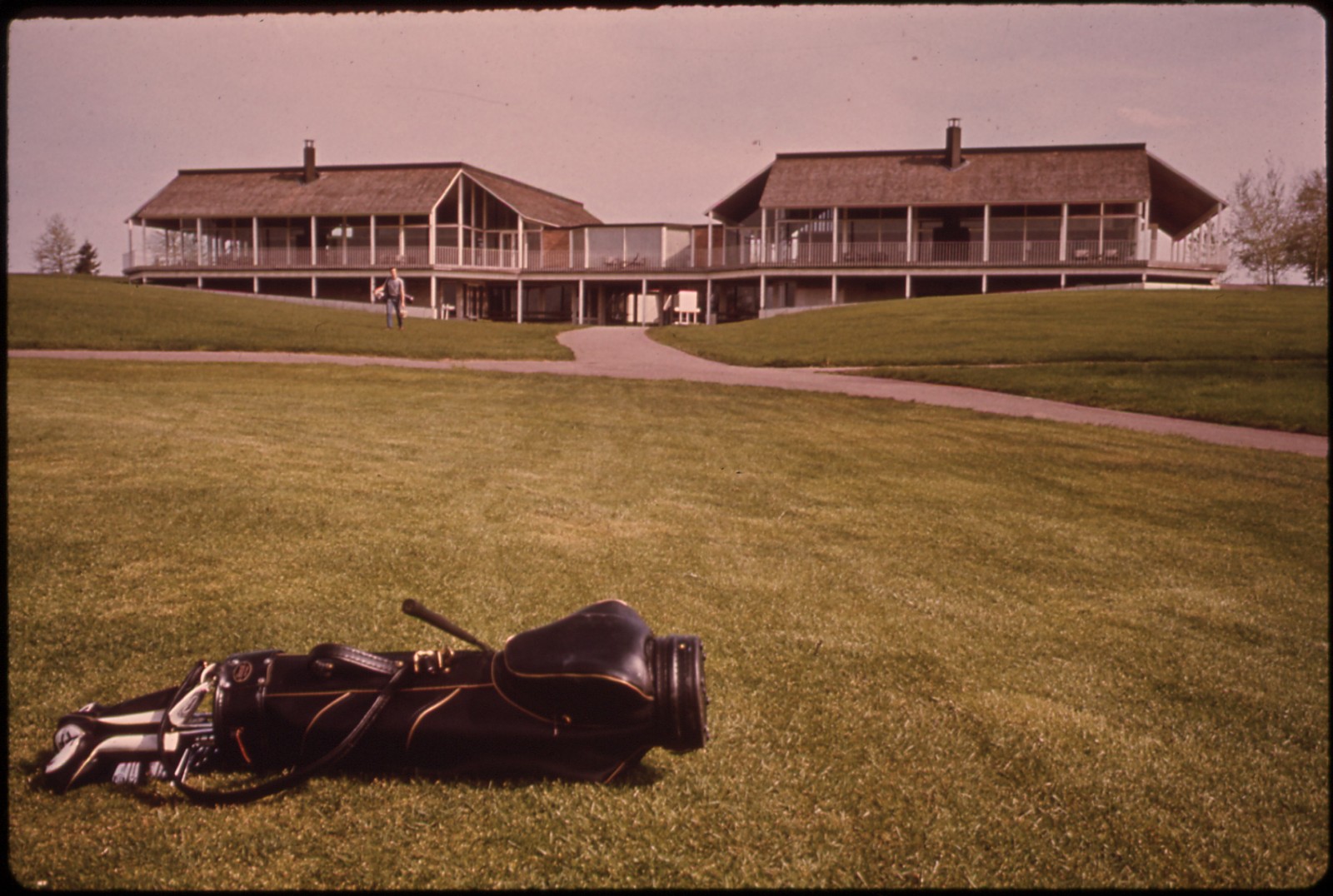
Otter Creek quickly established itself as one of Indiana’s premier championship venues. The Indiana State Amateur was played there annually from 1965 through 1990 and later returned on additional occasions. The course’s national résumé also includes the 1991 U.S. Amateur Public Links Championship, along with numerous junior, collegiate and state events.
In 1995, Robert Trent Jones Sr.’s son, Rees Jones, designed a third nine—the East Course—expanding Otter Creek to 27 holes. The original layout subsequently became known as the North and West nines, which traditionally formed the primary championship routing.
To shape Otter Creek’s next chapter, the ownership group selected major champion and golf course architect Tom Kite, working alongside design partner Billy Fuller. Their goal is not to erase Jones’ work, but to build upon its strongest elements while modernizing the irrigation system, grasses, bunkers, tees and overall strategy of the course.
During my visit, the design influences were clear. While the new course will remain distinctly Otter Creek, elements of the renovation draw inspiration from some of golf’s most recognizable holes, including the Postage Stamp at Royal Troon and the Road Hole at St Andrews.

The former 27-hole configuration is now closed as construction continues. The current schedule projects the new practice range and chipping facilities to open in late summer 2026. The Pup and The Romp are expected to follow in spring 2027, while the New Otter—featuring three newly constructed holes—is projected to open in fall 2027.
The balance between preservation and reinvention is also evident inside the clubhouse.
Walking through the building felt like stepping back into the 1960s. Green carpeting, a brick-backed bar and slatted wood walls reflected the clubhouse’s original character. As plans for the building’s future take shape, some of those materials and textures are expected to be incorporated into its next chapter rather than lost entirely.

A planned 20,000-square-foot putting green will sit directly beyond the clubhouse’s back patio, offering expansive views of the opening tee shot on No. 1 and the fairway and green of No. 18. To the left of the practice green stands Otter Creek’s historic outdoor scoreboard. It is expected to remain untouched, preserving one of the most recognizable pieces of the property’s original identity.
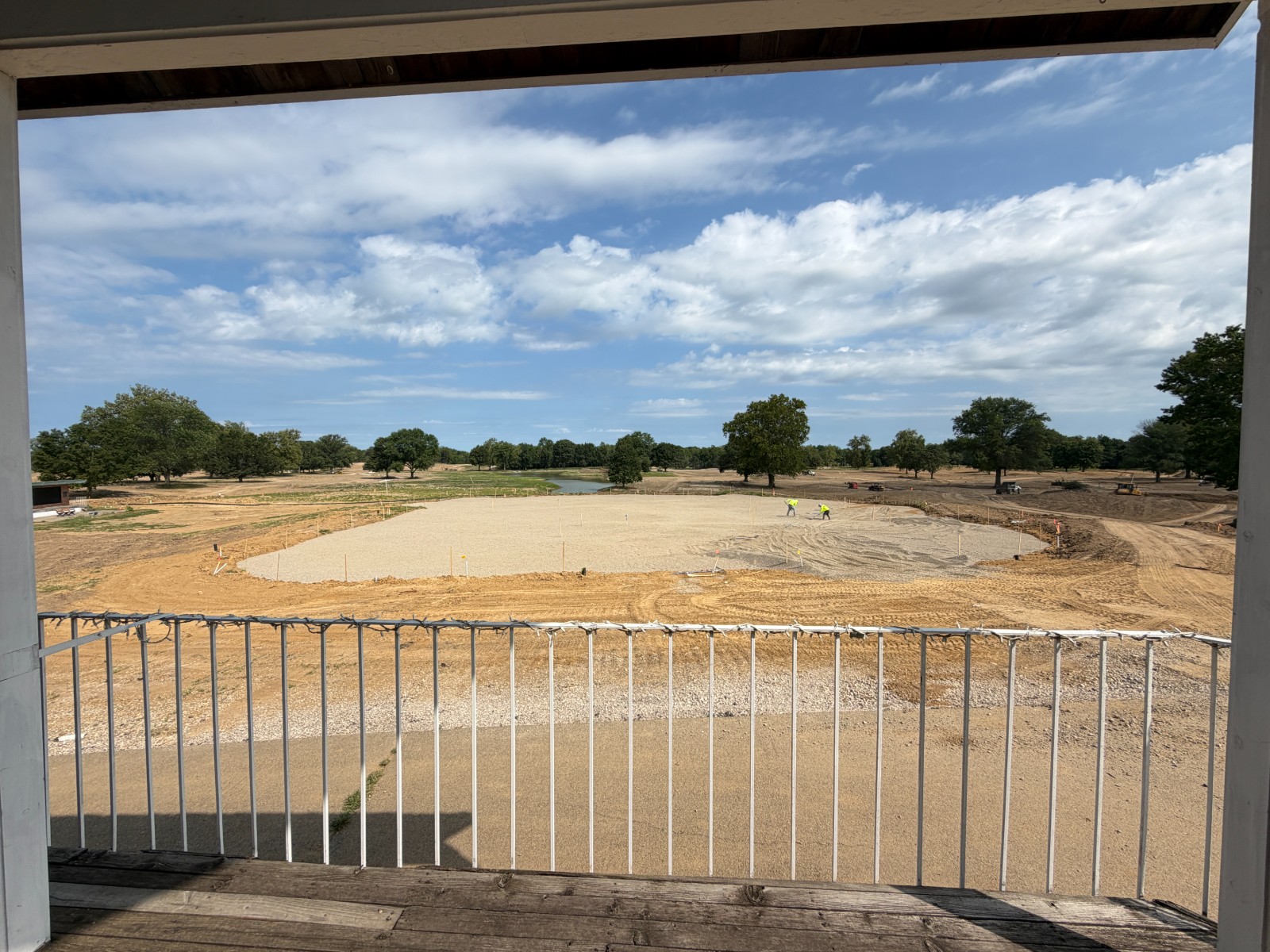
My experiences at Otter Creek and Harrison Lake Country Club left me with the same impression: the people of Columbus love Columbus.
That pride is visible throughout the city. It can be seen in its renowned architecture, its public spaces and the care with which its leaders have invested in buildings and golf courses alike. The work is intentional, thoughtful and rooted in a desire to create places that serve the community for generations.
Columbus may be a small city, but it has big-time golf. It is a hidden gem at the intersection of golf, architecture and community—and the reborn Otter Creek could become one of the clearest expressions of all three.