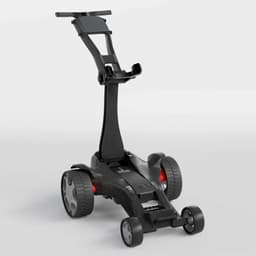
There is a rhythm to walking a golf course that cannot quite be replicated from a cart path. You feel the shape of the land, you process the previous shot, you talk with your playing partners, and you get time to reset before the next swing. For many golfers, especially those who compete or play seriously, walking is not just tradition — it is part of how the game is meant to be played.
Stewart exists to engineer the ultimate walking experience. Not just by making electric golf carts, but by building products designed to give golfers more freedom during the round, less distraction between shots, and a more natural way to move around the course.
Engineering the Walk
At its core, Stewart Golf is built around a simple idea: walking should make golf better, not harder.

That is where the brand’s engineering focus comes in. Stewart products are designed to remove the physical burden of carrying or pushing a bag while preserving everything golfers love about walking. The goal is not to replace the walk. It is to improve it.
For golfers who already prefer to walk, that difference matters. Pushing a bag for 18 holes adds up. Hills, long walks between holes, uneven ground, and late-round fatigue can all take energy away from the parts of golf that show up on the scorecard.
Stewart’s approach is built around conserving that energy. With hands-free Follow technology, precision remote control, stability, balance, and an emphasis on premium engineering, the company has created a walking experience that feels more like having a caddie than using a traditional cart.
The Freedom of Follow Technology
The defining piece of Stewart’s identity is Follow technology.

Remote-control carts can be useful, and push carts are simple, but Follow technology changes the experience. Instead of constantly reaching for a handle or steering your bag from shot to shot, the cart trails behind you while you walk naturally.
That is what makes Stewart different. It gives golfers the freedom to walk the fairway, think through the next shot, and stay in the rhythm of the round without feeling tied to their equipment.
In our review of the Stewart Golf Q Follow, that freedom was the biggest difference-maker. After a short adjustment period, the cart stopped feeling like an extra piece of equipment and started feeling like a natural part of the round. Follow mode became useful in open fairways, while remote control added precision around greens, cart paths, slopes, bridges, bunkers, and tighter areas.
That balance is important. Golf courses are not perfectly flat or predictable. A premium electric caddie has to be more than convenient — it has to be practical in real playing conditions.
Stewart’s combination of Follow mode and remote control gives golfers both.
Walking Without the Wear
For serious golfers, walking is about more than exercise. It is about pace, focus, and connection to the course.
The best walking rounds have a natural flow. You hit a shot, walk after it, talk through the round, reset your thoughts, and prepare for what comes next. That time between shots is part of the game.
The benefit is not just that golfers can avoid pushing or carrying their bag. It is that they can keep the best parts of walking while removing one of the biggest physical costs. You still get the movement, the rhythm, and the course connection, but you are not spending energy managing your clubs for four hours.

That can matter late in the round. Legs, posture, tempo, and focus all become more important when the pressure goes up. Whether it is a tournament, a money match, or just a round where you want to finish strong, conserving energy without giving up the walk is a meaningful advantage.
Designed and Engineered in Britain, Built for Golfers Everywhere
Stewart Golf has built its reputation around a relentless focus on engineering.
The brand is designed and engineered in Britain, but its products are made for golfers everywhere who believe walking is still the best way to experience the game. That shows up in the details: stable platforms, balanced movement, compact folding systems, premium materials, intuitive controls, and products that feel built for regular use rather than occasional novelty.
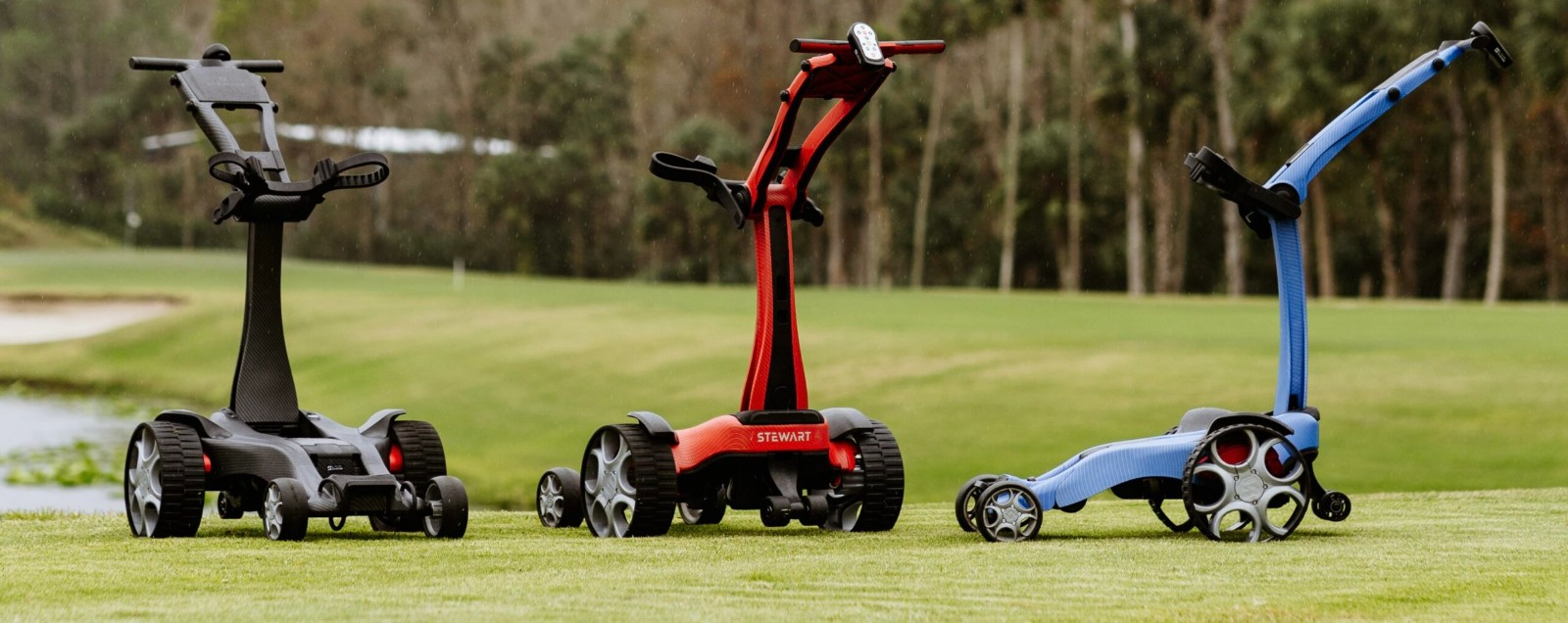
The Q Follow is a strong example of that philosophy. Its premium build quality stands out immediately. The frame, wheels, handset, stabilizer, folding system, and overall fit and finish all feel intentional. It does not feel flimsy, overcomplicated, or like a gadget trying to solve a problem that does not exist.
Instead, it feels like a serious piece of golf equipment for golfers who walk often and care about the quality of their setup.
Golf as It Should Be Played
The Stewart Golf experience is ultimately about making walking more enjoyable.
It gives golfers more freedom to think. More time to reset. More space to enjoy the course. More connection with playing partners. Less distraction. Less fatigue. Less time spent managing the bag.
That is the brand’s larger promise: golf can feel more natural when the walk is engineered properly.

For many players, that is where Stewart’s products become more than electric carts. They become part of the rhythm of the round. The walk feels easier, the course feels more open, and the player can focus more on shots than logistics.
That is especially appealing to the AmateurGolf.com audience. Competitive and committed amateur golfers already understand the value of walking. They know how much a round can change over the final few holes. They know the difference between feeling fresh and feeling worn down. And they know that small improvements in focus, energy, and routine can matter.
Stewart Golf is built for that player.
The Bottom Line
By combining Follow technology, precision remote control, premium engineering, stability, balance, and thoughtful design, Stewart has created a product category built around freedom on the course.
For golfers who love to walk but want to save energy for the shots that matter, Stewart Golf offers a more natural, more rewarding way to play.
Because when the walk is better, the golf can be better too.