Loading article...

Loading...
Loading...
Loading article...
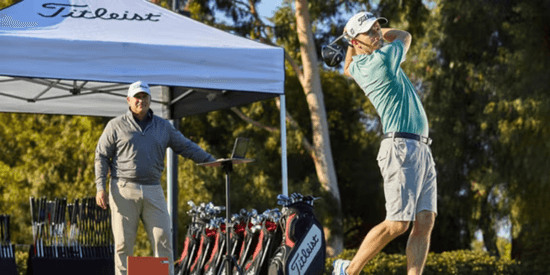
Distance gets attention. Descent angle makes shots stop.
Every competitive golfer has seen it: a flushed iron that flies the number, lands pin-high—and releases well past the hole. On a launch monitor, it looks perfect. On the course, it doesn’t score.
The missing piece is often descent angle—how steeply the ball is traveling when it lands.
Descent angle is the vertical angle of the golf ball as it comes down toward the ground. In simple terms, it tells you how steep—or shallow—your shot is when it lands.
A shallow descent angle leads to forward release. A steeper descent angle increases stopping power.
For competitive amateurs playing firm greens, tucked pins, and longer approaches, that difference can mean the difference between attacking and surviving.
Titleist frames iron and approach performance around three outcomes: Distance Control, Dispersion Control, and Descent Angle.
Distance tells you how far the ball flies. Dispersion tells you where it goes. Descent angle tells you what happens when it lands.
Without sufficient descent angle, distance and dispersion lose much of their value—especially when greens are firm or protected.
In a Titleist iron fitting, the process often begins with the 7-iron. That club sits in the middle of the set and reveals whether a golfer can produce enough launch, spin, and peak height to control approach shots.
For many players, fitters are looking for a 7-iron descent angle in a window that allows shots to land and stop—often roughly mid-40s to around 50 degrees, depending on speed and conditions.
If the 7-iron can land steep enough, it becomes much easier to build consistent gapping and landing windows throughout the set.
Chasing distance often leads to stronger lofts, lower spin, and flatter flight. On a launch monitor, those numbers look impressive.
But when descent angle drops too low, the ball doesn’t behave the same way on the course. Shots release through greens, miss long, and reduce scoring opportunities.
Titleist fitters frequently solve this by adjusting shaft profile, loft, launch, and spin—not to reduce distance, but to make distance usable.
Landing angle matters throughout the bag. Fairway woods, hybrids, and long irons must produce enough height and descent to hold greens on long approaches.
In many fittings, players resist higher-lofted options—until the data shows dramatically improved descent angle and stopping power. When the ball lands steeper, confidence follows.
As Titleist fitters often say: the numbers don’t lie.
Tournament golf exposes shallow flight quickly. Firm greens, back pins, and adrenaline all reduce spin and exaggerate release.
A properly fit descent angle protects performance when swings aren’t perfect—helping shots land, stop, and stay near the target.
That protection is what allows competitive golfers to swing freely instead of steering the ball.
Titleist’s focus on descent angle isn’t about taking distance away. It’s about making distance usable.
When clubs launch high enough, spin appropriately, and land steep enough, golfers gain control—and control leads to lower scores.
That’s why descent angle sits at the heart of the Titleist fitting philosophy.
Read next: Titleist Fitting Philosophy — The Competitive Amateur’s Fastest Path to Lower Scores
See how descent angle fits into the full 3D fitting framework.
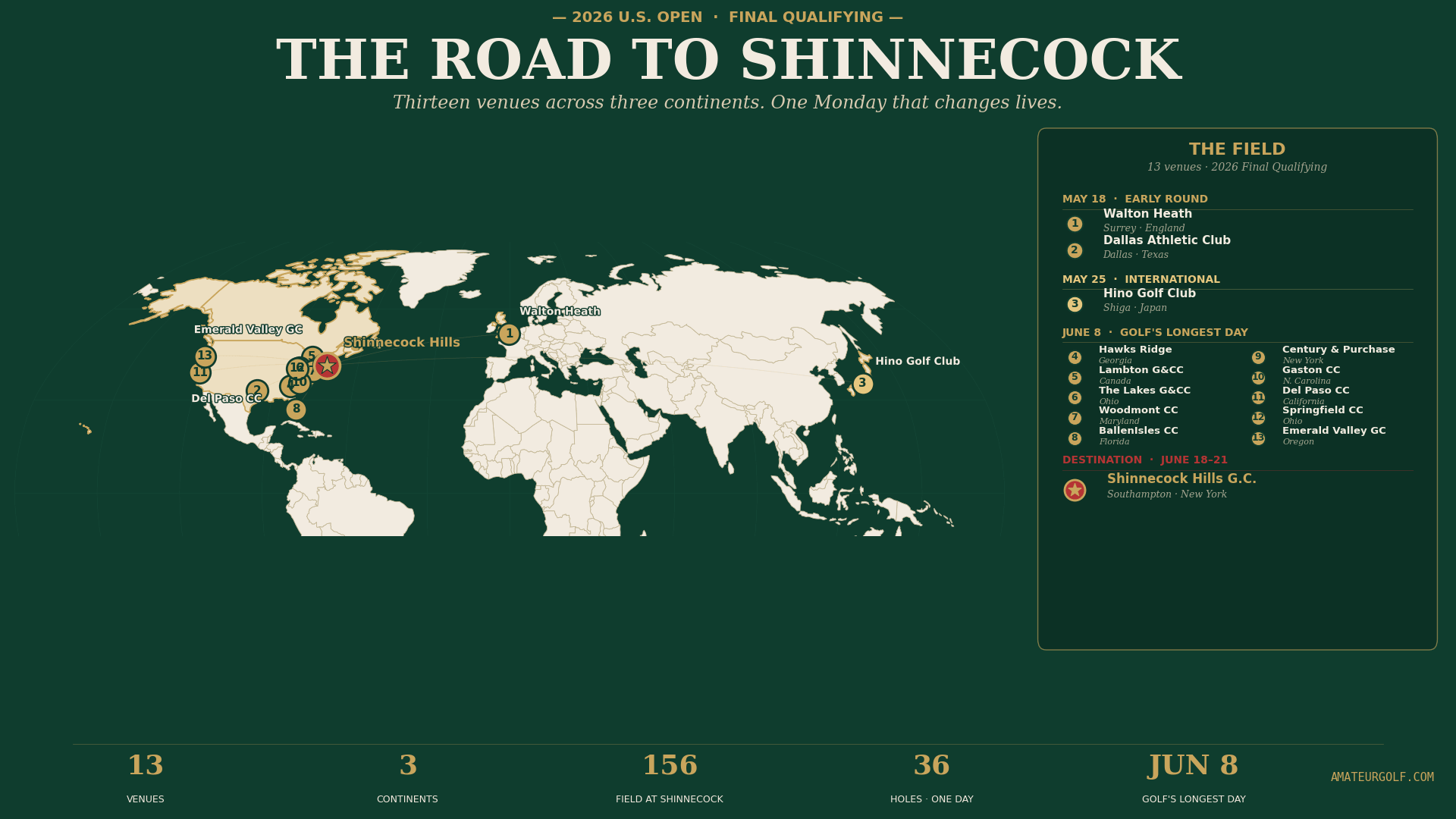
GOLF'S LONGEST DAY: 2026 U.S. Open Final Qualifying Monday June 8
Jun 5, 2026Follow along from 10 locations - our team is on the ground looking for the best stories
2026 U.S. Open Final Qualifying: A final rundown from Golf's Longest Day
Jun 8, 202612 amateurs qualified for Shinnecock at 10 sites around the country on June 8. Two of them were medalists.
2026 NCAA Men's Golf Championship: Live Coverage, Field & Daily Updates from La Costa
Jun 3, 2026Auburn defeats UCLA at La Costa to capture its second NCAA men’s golf championship in three years.
Stanford Wins 4th NCAA Women's Golf Title, Tops USC
May 26, 2026The Cardinals closed a dominant week at La Costa with another match-play crown — their fourth national title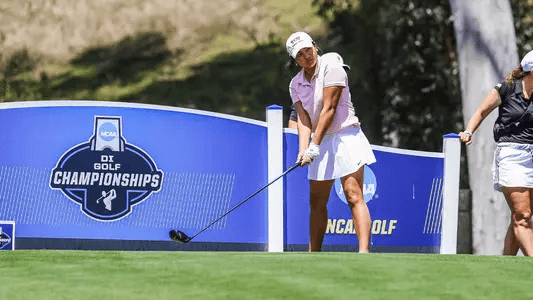
2026 NCAA Women’s Golf Championship: Stanford Roars to a Five-Shot Lead
May 24, 2026Stanford's 9-under third round opened a five-shot lead at Omni La Costa as the field trimmed to 15.Loading latest news...