Loading article...

Loading...
Loading...
Loading article...
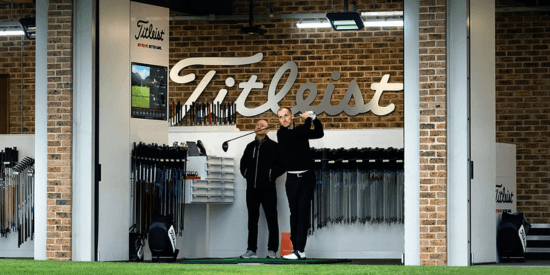
Most golfers try to hit perfect shots in a fitting. Titleist fitters want to see your misses—because that’s how they build clubs.
Walk into a fitting bay and most golfers instinctively do the same thing: try to hit their best shots. Flush contact. Perfect tempo. Clean numbers.
It makes sense. You’re being watched. Your swing is being measured. And somewhere in the back of your mind, it feels like a test.
But according to Titleist fitting professionals, that instinct can actually slow down the fitting process—and limit how good the final result can be.
Titleist fitters don’t just tolerate mishits—they want to see them.
Fitting can be uncomfortable because most golfers aren’t used to having someone stand behind them, watching every swing. There’s a natural urge to prove you’re a “good ball striker.”
Titleist acknowledges that pressure upfront. Their solution is simple but powerful: create a judgment-free environment where golfers can relax, have fun, and let the fitter guide the process.
One fitter describes it this way: the player gets to “steer the car.” The fitter isn’t there to critique your swing—they’re there to understand it.
Perfect swings are easy to fit. Competitive golf is not.
Titleist fitters actively want to see mishits because those swings reveal how equipment performs when timing is off, contact drifts low on the face, or pressure creeps in.
Mishits tell the fitter:
That information creates what Titleist calls the “whole golfer story.” And that story is what allows a fitter to build clubs that hold up on the course—not just on a launch monitor.
One of the most powerful aspects of the Titleist fitting philosophy is that it educates without instructing. A golfer in the fitting process summed it up perfectly:
“That’s what I call teaching without teaching.”
Instead of swing tips, golfers learn through ball flight, feel, and results. The fitter changes equipment variables—and the golfer sees what actually improves performance.
This approach is especially valuable for competitive amateurs who are already working with instructors and don’t want a fitting to conflict with swing changes.
Tournament golf is rarely played from perfect lies with perfect swings. Wind, nerves, uneven stances, and adrenaline all influence contact.
A fitting built only around flush shots often produces clubs that look great on paper but break down under real conditions.
By fitting through mishits, Titleist helps competitive amateurs build a set that:
The goal of a Titleist fitting isn’t to impress you with perfect numbers. It’s to make sure you leave educated, confident, and ready to play better golf.
When mishits are part of the process, golfers understand exactly why certain clubs work and why they belong in the bag.
That understanding builds trust—and trust is what allows competitive golfers to commit fully when it matters most.
Read next: Titleist Fitting Philosophy — The Competitive Amateur’s Fastest Path to Lower Scores
Explore how mishits, descent angle, and fitter expertise come together across the entire bag.
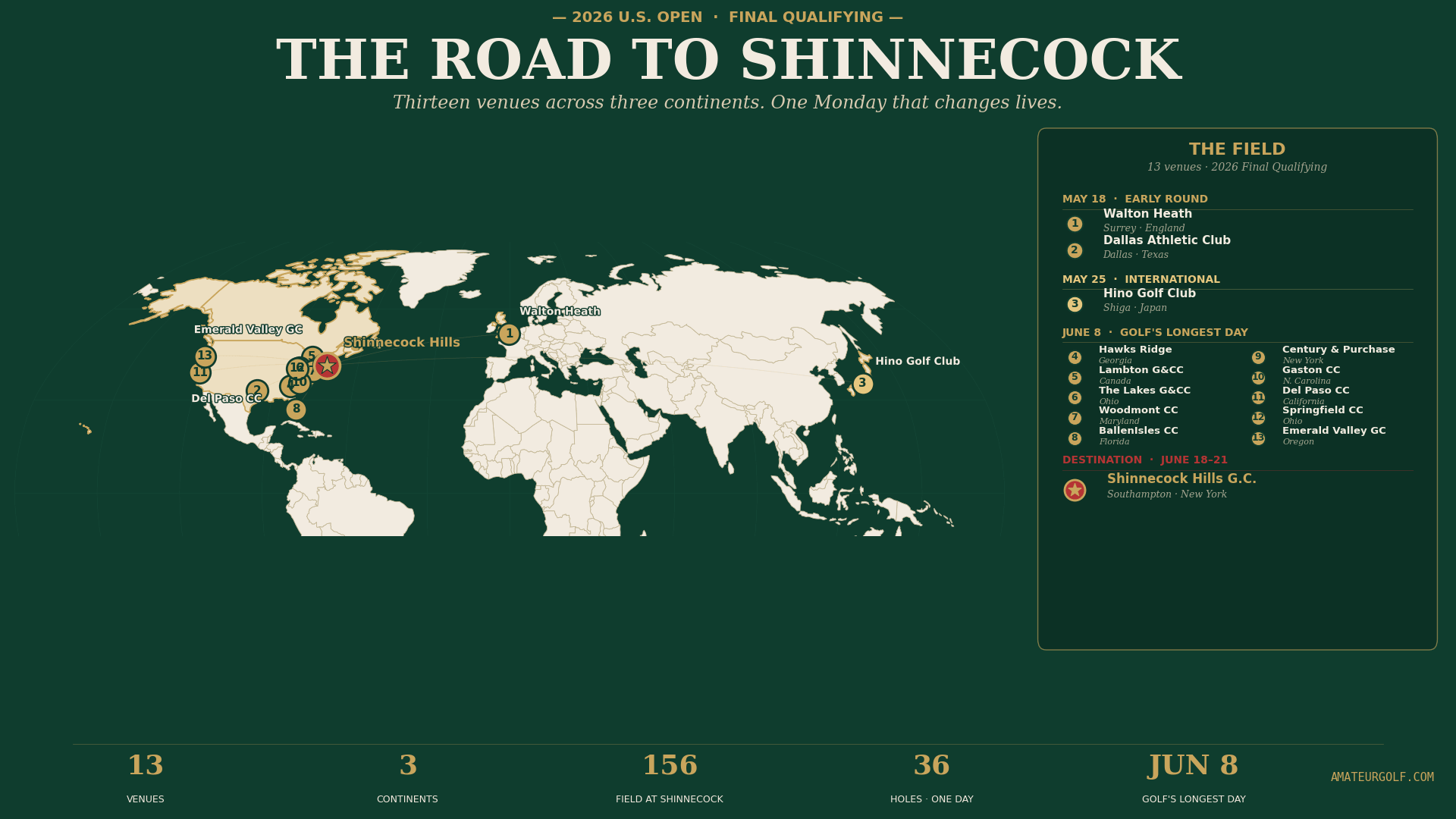
GOLF'S LONGEST DAY: 2026 U.S. Open Final Qualifying Monday June 8
Jun 5, 2026Follow along from 10 locations - our team is on the ground looking for the best stories
2026 U.S. Open Final Qualifying: A final rundown from Golf's Longest Day
Jun 8, 202612 amateurs qualified for Shinnecock at 10 sites around the country on June 8. Two of them were medalists.
2026 NCAA Men's Golf Championship: Live Coverage, Field & Daily Updates from La Costa
Jun 3, 2026Auburn defeats UCLA at La Costa to capture its second NCAA men’s golf championship in three years.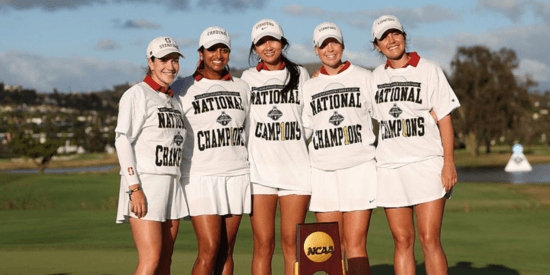
Stanford Wins 4th NCAA Women's Golf Title, Tops USC
May 26, 2026The Cardinals closed a dominant week at La Costa with another match-play crown — their fourth national title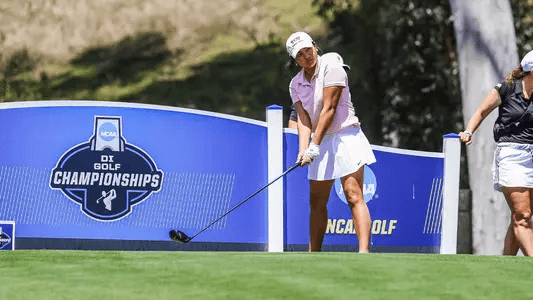
2026 NCAA Women’s Golf Championship: Stanford Roars to a Five-Shot Lead
May 24, 2026Stanford's 9-under third round opened a five-shot lead at Omni La Costa as the field trimmed to 15.Loading latest news...