Loading article...

Loading...
Loading...
Loading article...
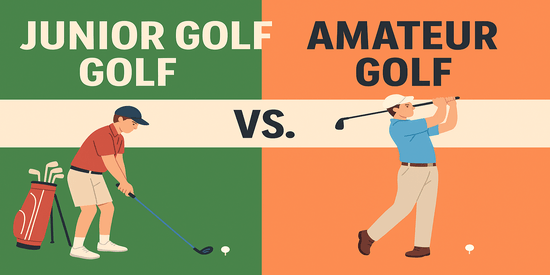
Whether you're a rising junior or a weekend warrior, understanding the difference between junior and amateur golf is key to level
If you’ve ever wondered about the difference between junior golf and amateur golf, you’re not alone. They might sound similar — after all, both involve non-professionals competing — but they’re actually quite different in how they’re structured, who can play, and what they lead to (especially when it comes to college golf). Let’s break it down.
Age Is the Most Obvious Divider
The clearest distinction? Age.
Junior golf is for players typically under the age of 19. In most cases, if you’re still in high school or under 18, you’re in the junior golf pool.
Amateur golf, on the other hand, is open to anyone who’s not a professional. That includes juniors, college players, weekend warriors, mid-ams, and even senior amateurs. So while all junior golfers are technically amateurs, not all amateurs are juniors.
Different Rules and Structure
Junior tournaments are usually designed to help younger players develop. That means you’ll often see modified tees, smaller fields, and lots of parent volunteers helping out. Tours like U.S. Kids Golf, AJGA, and regional junior circuits aim to balance competition with learning.
Amateur tournaments, meanwhile, are more serious and follow official USGA rules. They’re usually longer, tougher, and filled with players who are really trying to test themselves — or even work their way toward professional events. These tournaments include state amateurs, invitationals, and USGA qualifiers like the U.S. Amateur.
Rankings Work Differently, Too
For juniors, rankings like Junior Golf Scoreboard, Golfweek Junior Rankings, and the AJGA Performance Stars help players get noticed. These rankings determine which events you can enter and are a big part of the college recruiting process.
Amateur golfers are ranked using systems like the World Amateur Golf Ranking (WAGR) and the AmateurGolf.com Rankings. These rankings track performance in top-level events and carry real weight — they can lead to national team invites, exemptions into pro qualifiers, and college coach attention.
How They Impact College Golf
| Junior Golf | Amateur Golf | |
| Age | Under 19 | All ages (non-professionals) |
| Structure | Developmental, youth-focused | Competitive, serious tournament play |
| Rules | Slightly modified in some cases | Full USGA rules |
| Rankings | JGS, AJGA, Golfweek | WAGR, AmateurGolf.com |
| College Impact | Start of recruiting journey | Validation & advanced exposure |

2026 U.S. Open Local Qualifying Results: All 109 Sites + Leaderboards
May 14, 2026Live results from all 109 U.S. Open Local Qualifying sites. Site-by-site medalists, amateurs, and alternates
2026 U.S. Amateur Qualifying: Dates, Sites, Registration Info, and How to Enter
Apr 30, 2026Registration for the 2026 U.S. Amateur is opening soon. Explore every local and final qualifying site
Ellison & Scheck Win 2026 U.S. Women's Amateur Four-Ball in 19 Holes
May 6, 2026The No. 3 seed snaps a five-year teenage-champion streak. Carter & Snyder, both 15, fall in sudden death after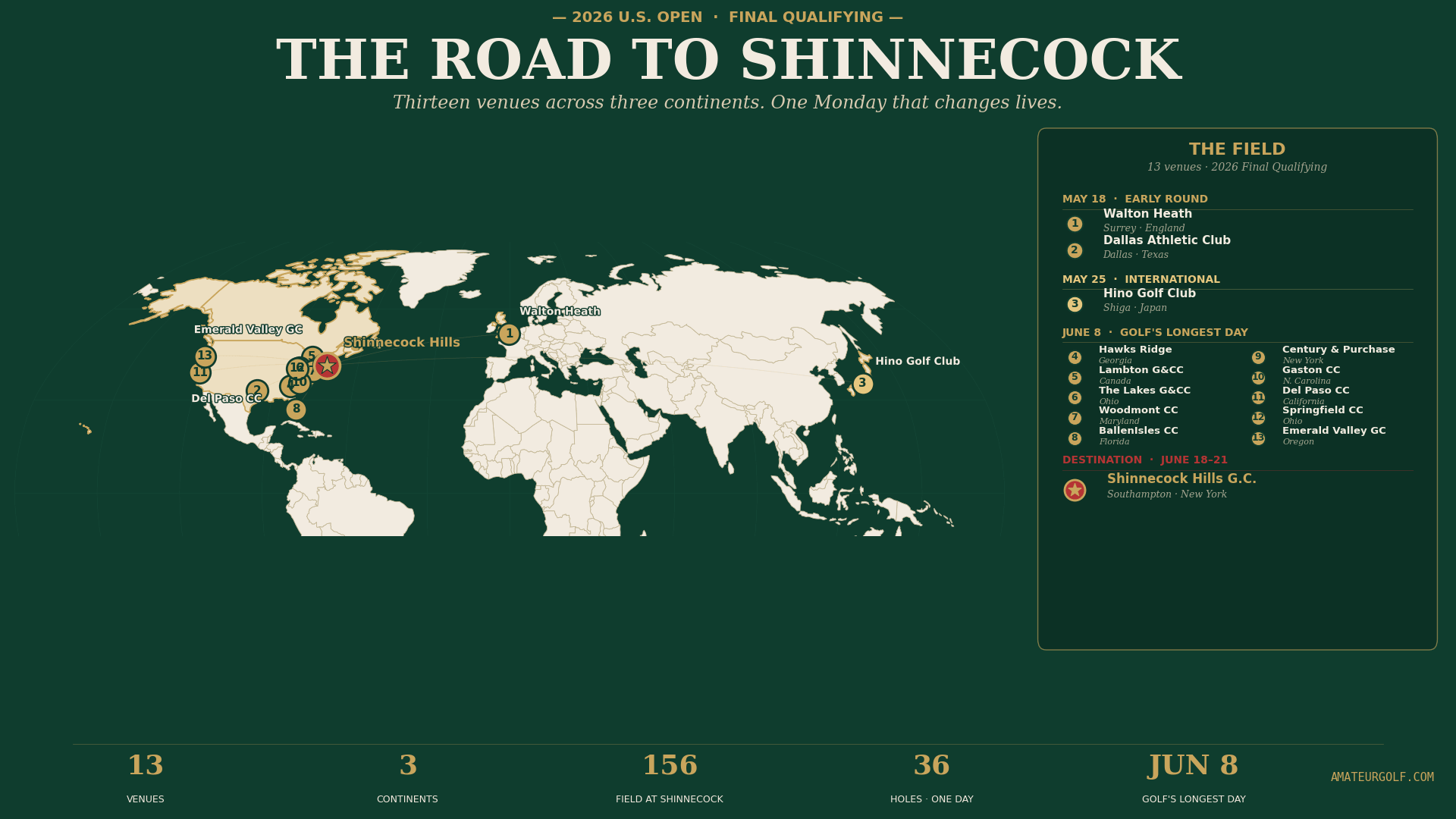
2026 U.S. Open Final Qualifying: Inside Every Course on Golf's Longest Day
May 11, 2026A deep-dive preview of all 13 final qualifying venues — from Walton Heath to Del Paso
How the NCAA Golf Championships Work
Apr 28, 2026From conference tournaments to match play under the Carlsbad sun — a complete guide to the road that ends at Omni La CostaLoading latest news...