Loading review...

Loading...
Loading...
Loading review...
see also: Equipment Reviews
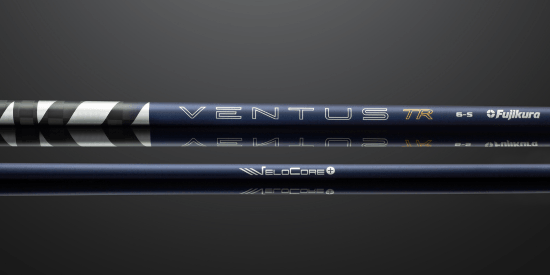
The latest evolution of Ventus TR refines stability, feel, and dispersion for elite amateurs already playing VeloCore
If you’re a competitive player, there’s a strong chance Ventus with VeloCore is already in your bag—or at least part of your fitting history. Ventus didn’t earn its reputation through hype. It earned it by delivering predictable launch windows, tighter dispersion, and face stability when swing speed climbs and pressure builds.
With the launch of the next-generation VENTUS TR Blue featuring enhanced VeloCore+ Technology, Fujikura isn’t reinventing Ventus. It’s refining the part competitive players feel most: what happens in transition when you really go after it.
This launch isn’t about chasing distance. It’s about controlling speed you already have.
Many competitive players who tested original Ventus Blue or Black noticed the same pattern: the tip stability was elite and launch/spin were predictable, but at full speed the mid-handle could still feel active. That’s not a flaw—it’s physics.
The Ventus TR platform was built to reinforce the handle-to-mid section using Spread Tow carbon fabric, the area most vulnerable to deformation during aggressive transitions. The goal is simple: keep the profile you trust, but add resistance where better players load the shaft hardest.
The new VENTUS TR Blue builds on the legacy of the original TR and maintains its trusted mid-launch, low-spin performance. The integration of enhanced VeloCore+ Technology is designed to deliver a smoother feel along with added stability and more speed through impact.
In fitting terms, this is a stability and consistency upgrade without pushing the shaft into “boardy” territory. For competitive players, that shows up as more repeatable delivery, improved centeredness of contact, and a tighter dispersion pattern when you’re swinging at 100%.
Competitive players tend to stress the shaft differently: harder transitions, later acceleration, and a higher standard for face control under pressure. VeloCore+ is aimed at improving that relationship between feel and stability.
Internal testing reported improved stability and centeredness of contact, with more than 80% of players seeing increased clubhead speed. The real value for competitive golfers is repeatability: fewer “one-off” misses and a more predictable stock shot.
From a competitive fitting perspective, the new TR Blue sits between Ventus Blue and Ventus Black. It’s a strong low-spin option for a wide range of swings—especially players who want more stability and a smoother feel without giving up the familiar launch window.
If you’ve ever loved Ventus Blue but wanted just a bit more resistance in transition, this launch is aimed squarely at you.
VENTUS TR Red is the most playable profile in the TR family. It’s built for competitive players who want help launching the ball higher while keeping the stability that defines Ventus.
TR Red loads easily and can be a smart fit for players who need a little help keeping the ball in the air, especially on softer fairways where carry distance matters. It remains stable enough to avoid ballooning, but it’s the friendliest of the three.
VENTUS TR Blue is the “do-everything” profile and often the best starting point for a competitive player. It offers a controlled, penetrating flight that carries well and doesn’t climb.
The next-generation TR Blue with VeloCore+ is geared toward players who want the trusted window of TR Blue with added stability and a smoother feel under load. If your miss is a high-speed two-way pattern or strike drifting toward heel/toe when you swing hard, this is the profile to test.
VENTUS TR Black is built for high-speed players who load aggressively and want to reduce launch and spin as much as possible.
For the right player, TR Black produces a flat, piercing trajectory and excellent wind stability. For the wrong player, it can feel harsh and cost carry distance. This is not a “better player equals Black” decision—it’s a fit decision.
Choosing between Red, Blue, and Black isn’t about what’s “best.” It’s about matching your transition, delivery, and desired window.
For competitive players, the smartest move is still the same: get fit, test under your real swing speed, and evaluate dispersion—not just peak numbers.
The new VENTUS TR Blue will be available at retail beginning January 9, 2026, through authorized Fujikura Charter Dealers and select OEM custom programs. MSRP is $350, with a wide range of weights and flexes for drivers and fairway woods.
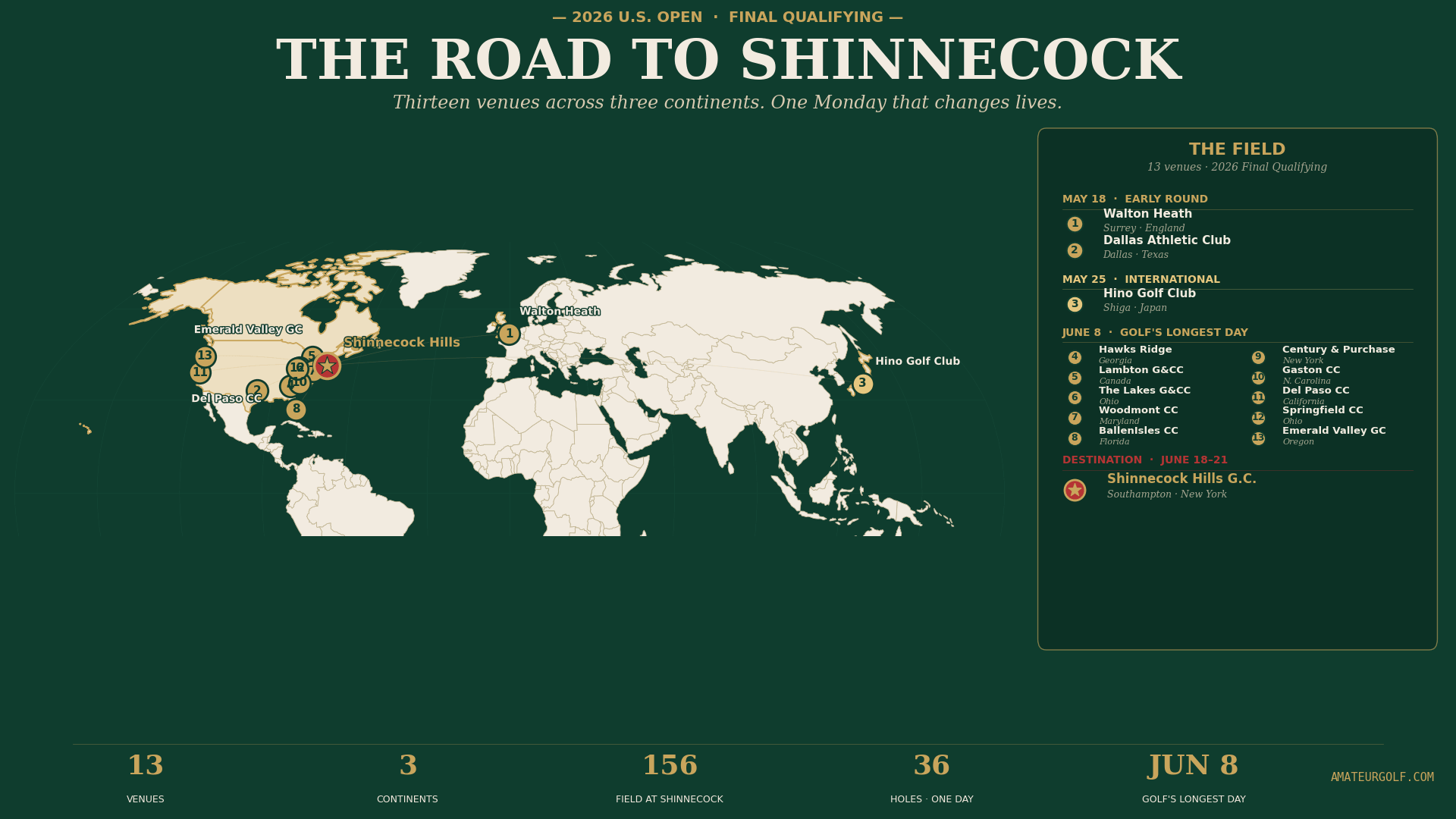
GOLF'S LONGEST DAY: 2026 U.S. Open Final Qualifying Monday June 8
Jun 5, 2026Follow along from 10 locations - our team is on the ground looking for the best stories
2026 U.S. Open Final Qualifying: A final rundown from Golf's Longest Day
Jun 8, 202612 amateurs qualified for Shinnecock at 10 sites around the country on June 8. Two of them were medalists.
2026 NCAA Men's Golf Championship: Live Coverage, Field & Daily Updates from La Costa
Jun 3, 2026Auburn defeats UCLA at La Costa to capture its second NCAA men’s golf championship in three years.
Stanford Wins 4th NCAA Women's Golf Title, Tops USC
May 26, 2026The Cardinals closed a dominant week at La Costa with another match-play crown — their fourth national title
RESULTS: Scottish Men's Amateur Championship
May 31, 2026Champion. 🏆 Greg Holmes lights up Gullane with a record-setting 62 en route to the Scottish Men's Amateur titleLoading latest news...